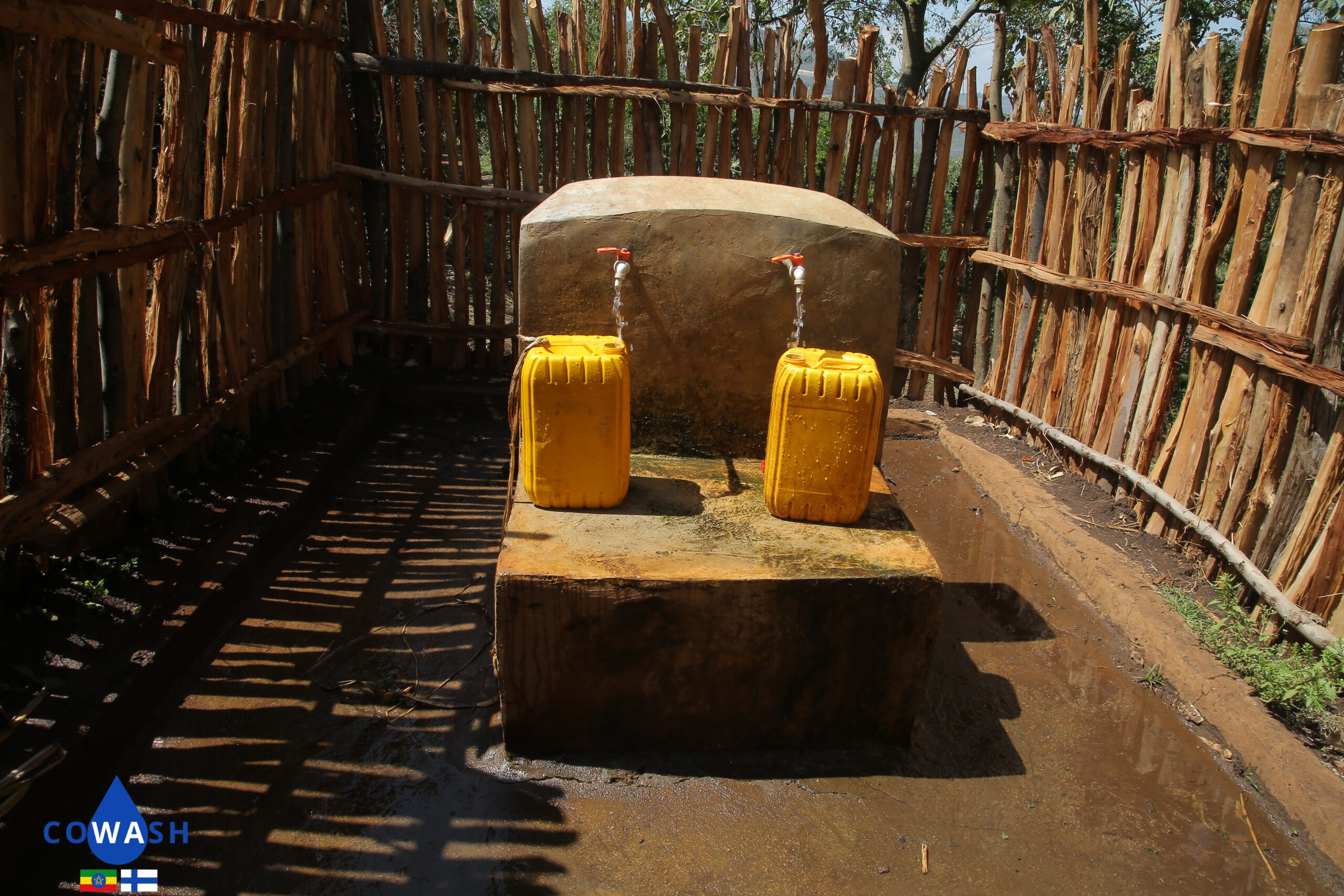
 While development projects frequently measure success by total funding spent and the number of infrastructure built, long-term goals can only be reached through the genuine need, engagement, participation, leadership and ownership of the communities themselves. This is why the COWASH IV project, through its community-managed project (CMP) approach, actively gives primacy to communities as owners, designers, implementers, and administrators of their own water, sanitation and hygiene (WASH) infrastructure. By doing so, the project is proving that the true value of infrastructure and its sustainability lie in the unquantified sweat equity of the people using it.
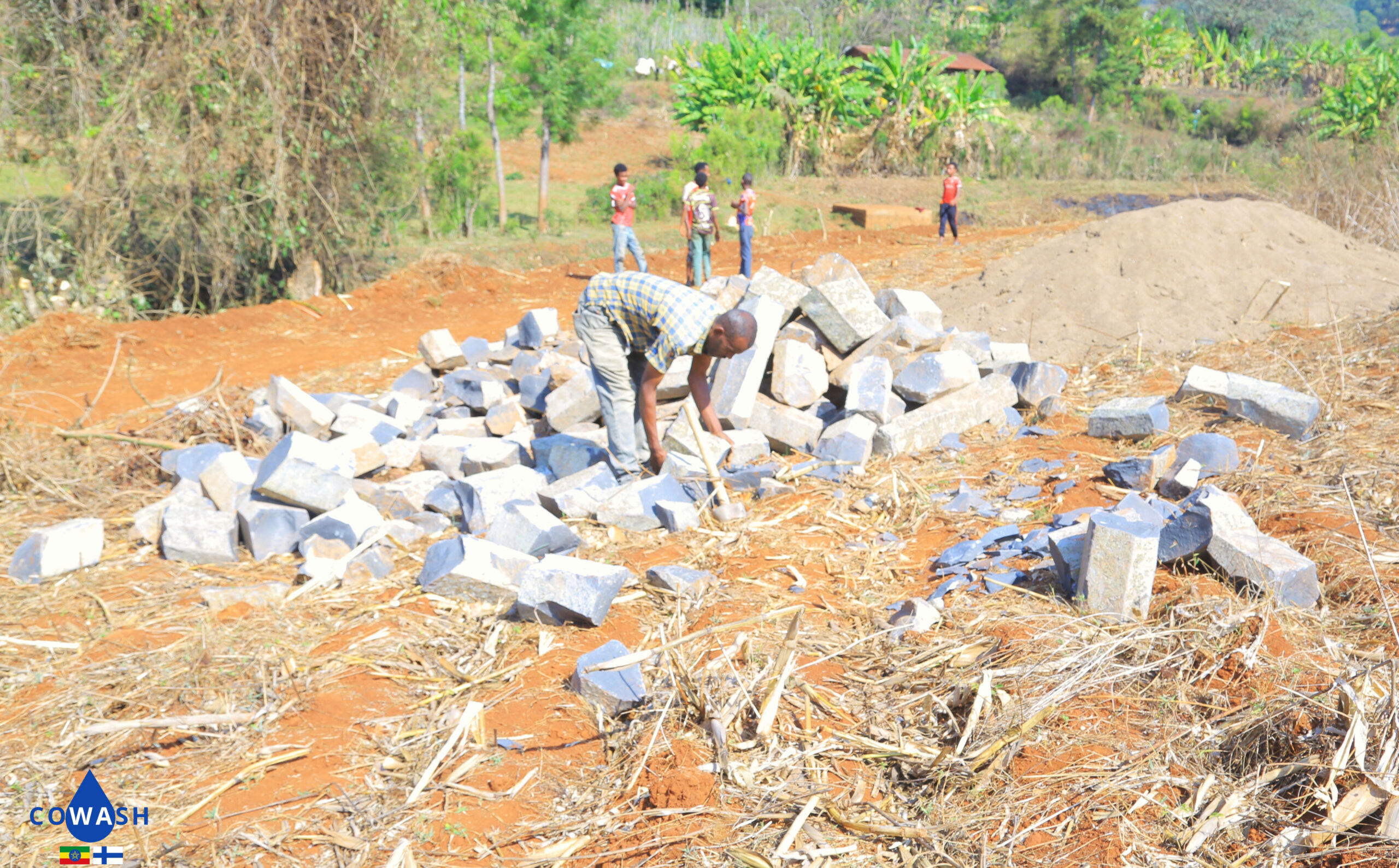
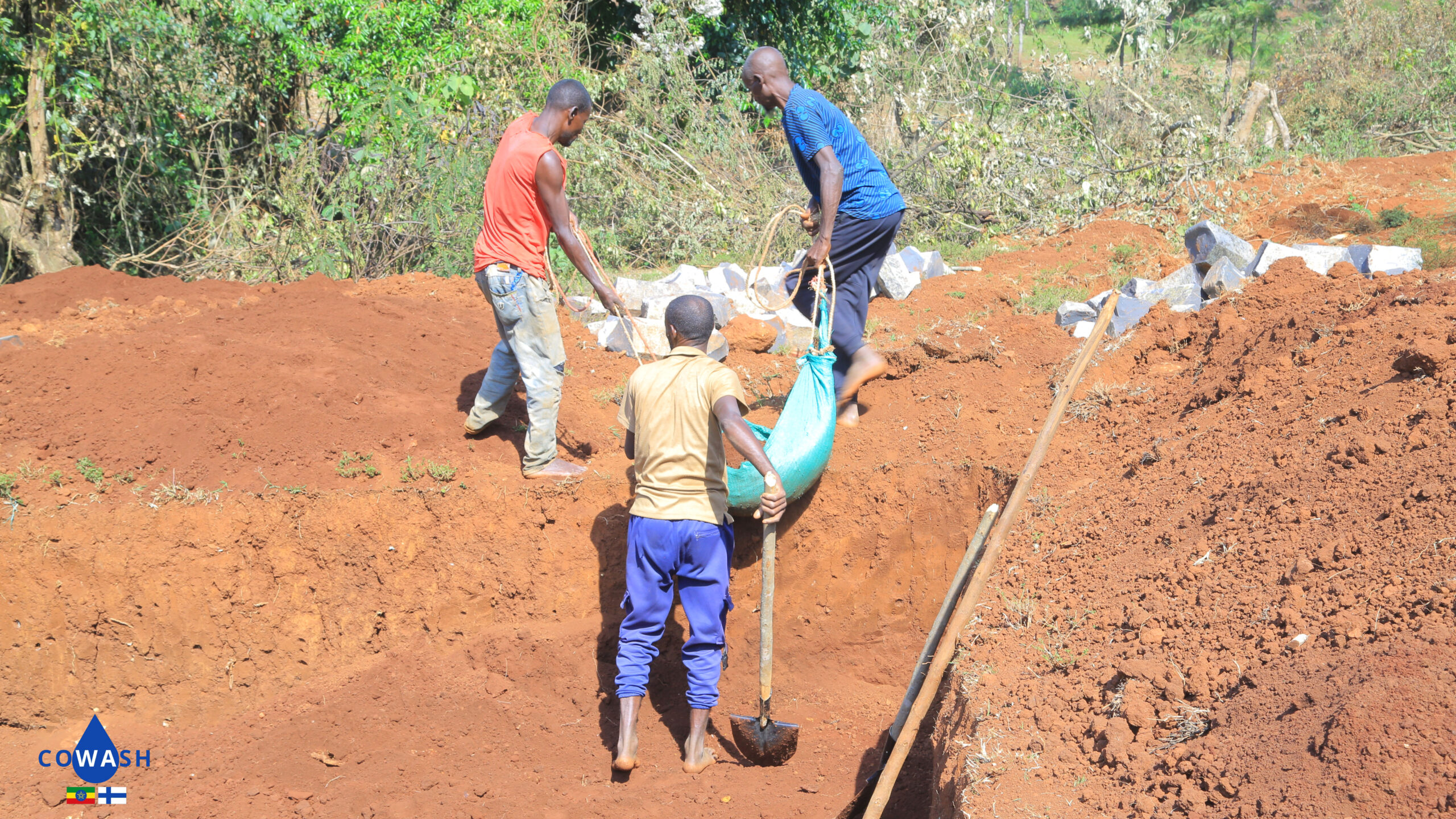 Under the CMP approach, rural communities are not passive recipients of support but play an active partner role by contributing between 15 and 40 percent of the total cost of local water schemes. On the ground, this equity is built through a rigorous system of manual labor, material sourcing, and financial pooling. Because many rural water points are located in terrains completely inaccessible to heavy vehicles, community members frequently transport heavy construction materials over the final miles by hand or through animal traction. Local residents also clear access roads for drilling rigs, excavate deep trenches, lay pipelines and provide round-the-clock security for construction equipment.
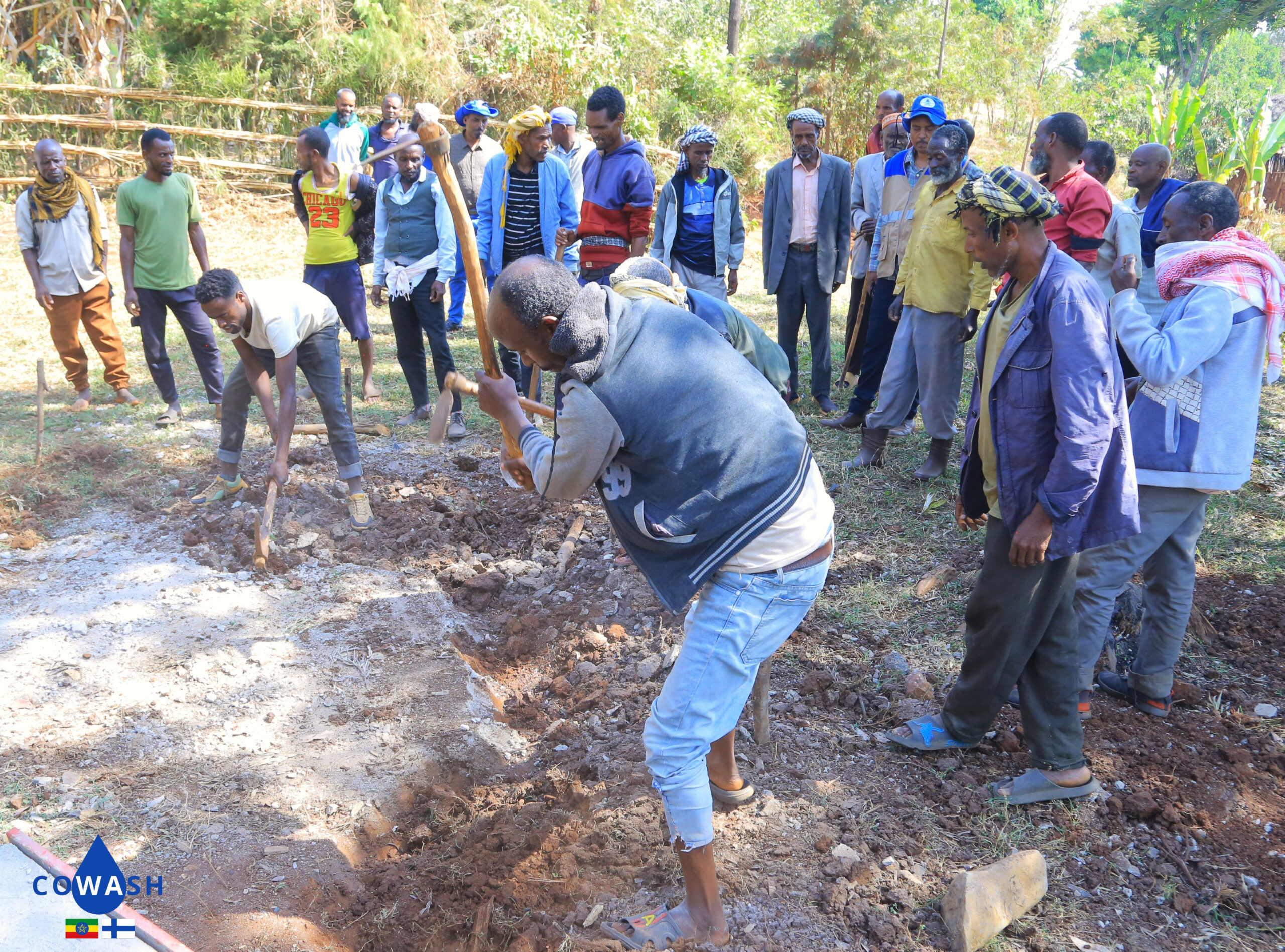 To ensure this participation reflects genuine equity rather than symbolic involvement, local Water Supply, Sanitation, and Hygiene Committees (WASHCOs), alongside local artisans, maintain daily attendance logs. At the conclusion of construction, these logged hours are converted into monetary values based on standard local wage rates, verified by experts during field supervisions, and submitted to Woreda water offices.
Beyond physical labor, communities source and supply essential local building blocks, including sand, river gravel, stones and wood for concrete mixing. The types and volumes of these resources are formally agreed upon during initial project appraisals, inspected upon arrival, and logged into project registers. Like the labor hours, these materials are valued against local market prices at the project’s end to determine the exact community investment. While not strictly mandatory, many communities also choose to pool direct cash resources, which are formally receipted and tracked in final financial reports.
 The total community share of ownership is calculated using a precise formula, dividing the combined value of local labor, materials, and cash by the overall cost of the scheme, which includes both the community contributions and the project’s direct grant. This converted figure establishes the community as the primary stakeholder, an approach intended to ensure long-term maintenance and institutional resilience.
This focus on local empowerment has directly driven the project to surpass its latest national milestones ahead of schedule. The latest data shows that COWASH IV has now reached 1,214,364 rural residents across the country through the completion of 3,816 new water schemes and the rehabilitation of 925 existing ones. To safeguard health, communities are also actively implementing 2,396 localized Water Safety Plans.
By empowering communities to design, construct and manage their own infrastructure, COWASH IV is working to contribute in achieving access to universal and sustainable WASH services in rural Ethiopia.