
For many young girls in rural schools, a natural biological cycle has long been a source of unvoiced anxiety. When a school lacks safe and private spaces, managing menstruation becomes an overwhelming challenge tied to shame, fear of public exposure and sudden dropouts. However, COWASH’s newly concluded MHM impact assessment report shows how targeted MHM interventions are shifting this reality, turning spaces of fear into environments of confidence and dignity.
The assessment, conducted between December 2025 and April 2026 by the COWASH IV team, examined girls’ daily school experiences across three project regions: Sidama, Central and Oromia. By gathering qualitative evidence from focus group discussions with 56 girls across five distinct sites, the evaluation captured a before and now transformation in how menstruation affects a girl’s life at school.
Shifting from Fear to Focus
Before the construction of the MHM centres, schoolgirls who participated in the assessment recalled a time when unexpected menstruation at school inevitably meant leaving class early or staying home entirely. The fear of staining their clothes, a lack of sanitary products and the absence of private spaces to wash left many with no choice but to drop out of their daily lessons.
One girl shared a memory of staining her clothes before a safe space existed. Terrified to move, she waited in humiliation until all other students had left the building before she could walk home. She then had to return to the school at dawn the next morning with water to clean her chair before her peers arrived.
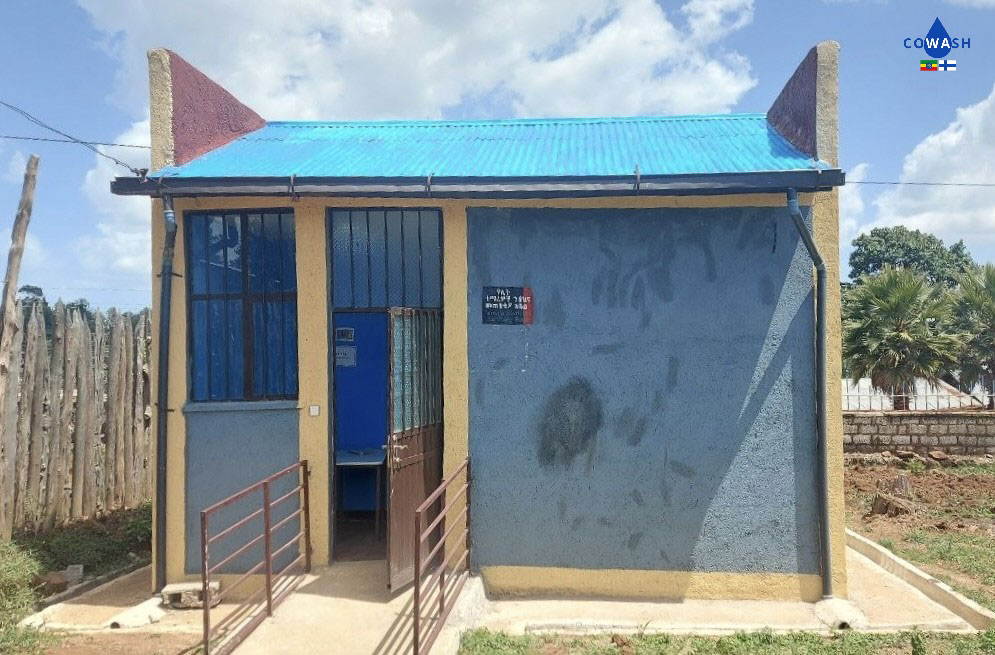 Today, the MHM center has fundamentally changed that reality in her school. With these secure, lockable private spaces now active on school grounds, girls have a dedicated environment where they can wash, rest, access clean sanitary pads and check their clothes in a mirror. This structural security translates directly into mental confidence, allowing girls to return to their classrooms comfortably and continue learning without fear. In fact, across almost all evaluation sites, girls proudly reported that they did not miss a single day of school during their most recent menstrual cycle.
More Than Infrastructure: A Network of Support
The evaluation highlights that the true impact of the MHM centres lies in how they blend physical infrastructure with human support. The presence of the centres has helped shift the school climate, significantly reducing school-level stigma and teasing. Girls report feeling increasingly comfortable openly discussing their needs and seeking help.
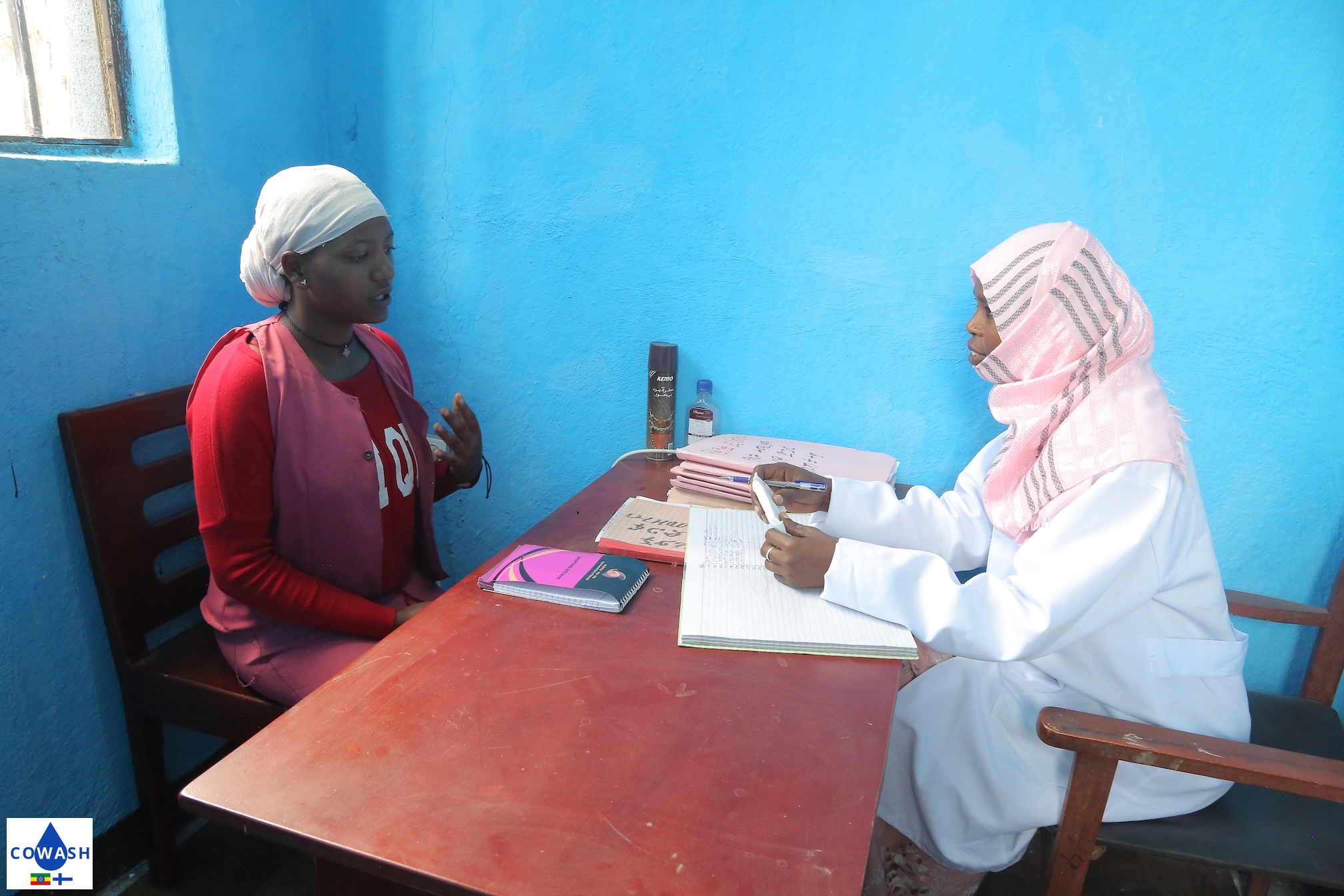 Across all three regions, female teachers have emerged as the primary, most trusted pillars of support, alongside active girls’ clubs and peer networks. In Fofa High School in Central Ethiopia, a strong dynamic of peer solidarity has taken root. One student shared how she guided a frightened classmate through her very first period, bringing her directly to the MHM center and connecting her with a supportive teacher for reassurance and supplies. The center has effectively transformed from an isolated facility into a community hub of safety and guidance.
To ensure these spaces remain functional, fully inclusive, and sustainable, upcoming interventions will explicitly target site-specific operational priorities raised directly by the students including improving internal privacy features, such as adding shower curtains. Furthermore, across all regions, the project is actively developing formalized menstrual pain management protocols with local health offices to provide resting comfort options, while expanding community conversations to dismantle lingering misconceptions outside the school gates.
By listening to the lived experiences of the students and matching structural standards with real-time feedback, COWASH IV is ensuring that rural schools remain spaces where girls can learn, grow and lead with their dignity fully intact.