COWASH IV and the Max Foundation convened their first biannual review meeting on June 8, 2026, to evaluate the progress of their joint partnership aimed at integrating WASH with nutritional initiatives in the Central Ethiopia Region.
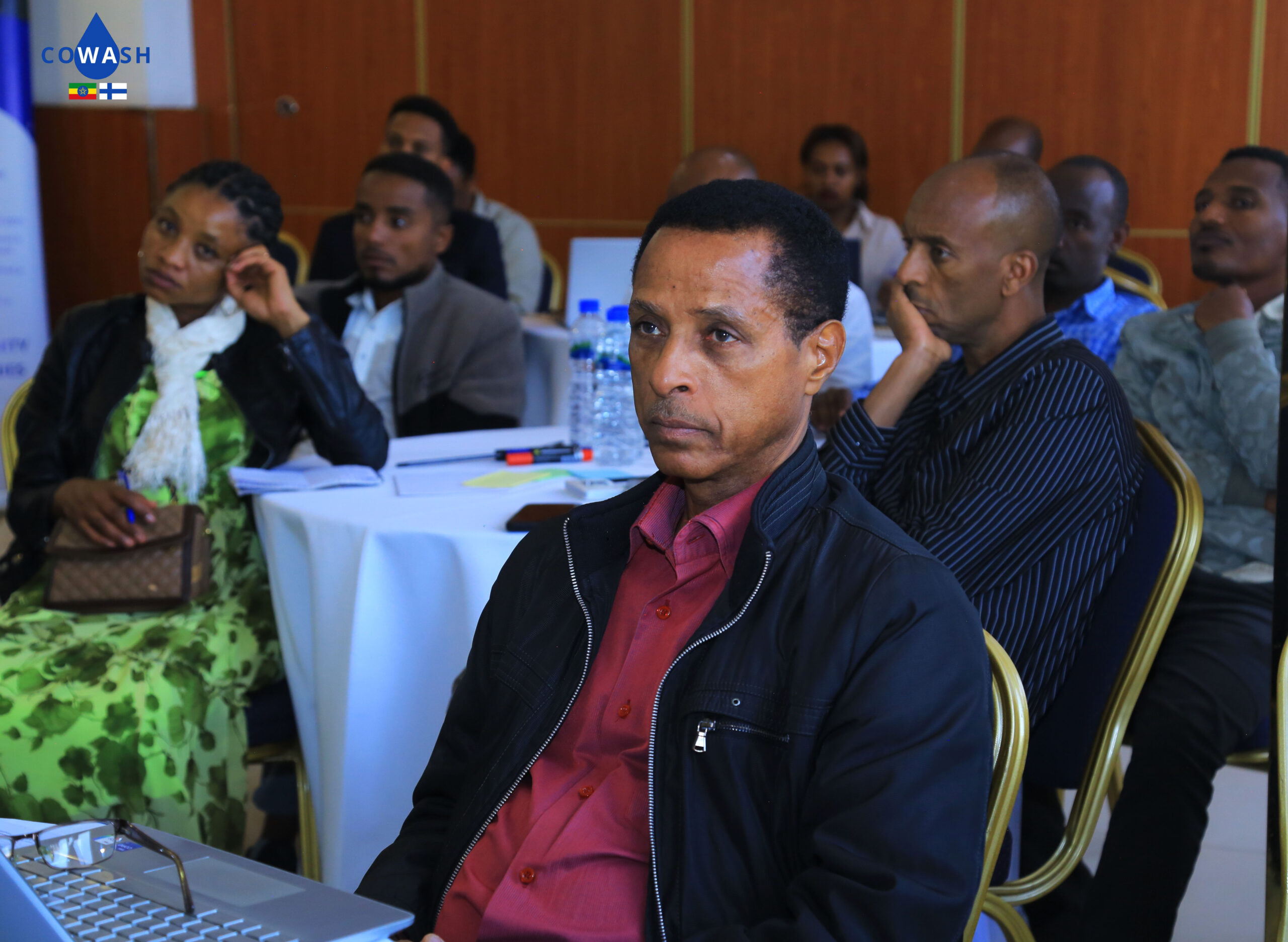 Federal officials from the Ministry of Health and the Seqota Declaration team, and local leadership from the pilot site of Fofa Woreda attended the meeting. Sectoral representatives traveling from Fofa included officials from Agriculture, Education, Health, Job Skills Creation and Enterprise, Water, and Women and Children’s Affairs, ensuring localized management of the multi-sectoral initiative.
The review highlighted a shift from independent, parallel institutional tracks toward a layered partnership model designed to eliminate duplicated efforts. Project data indicates that community-led management of the combined WASH, nutrition and nutrition-sensitive agriculture frameworks has enhanced the overall efficiency and sustainability of the intervention.
Technical Training and Local Enterprise Establishment
The biannual review follows a technical training programme conducted from April 27 to May 1, 2026, in collaboration with Wolkite Polytechnic College and Satellite Institute. The session focused on the production of liquid soap and reusable sanitary pads.
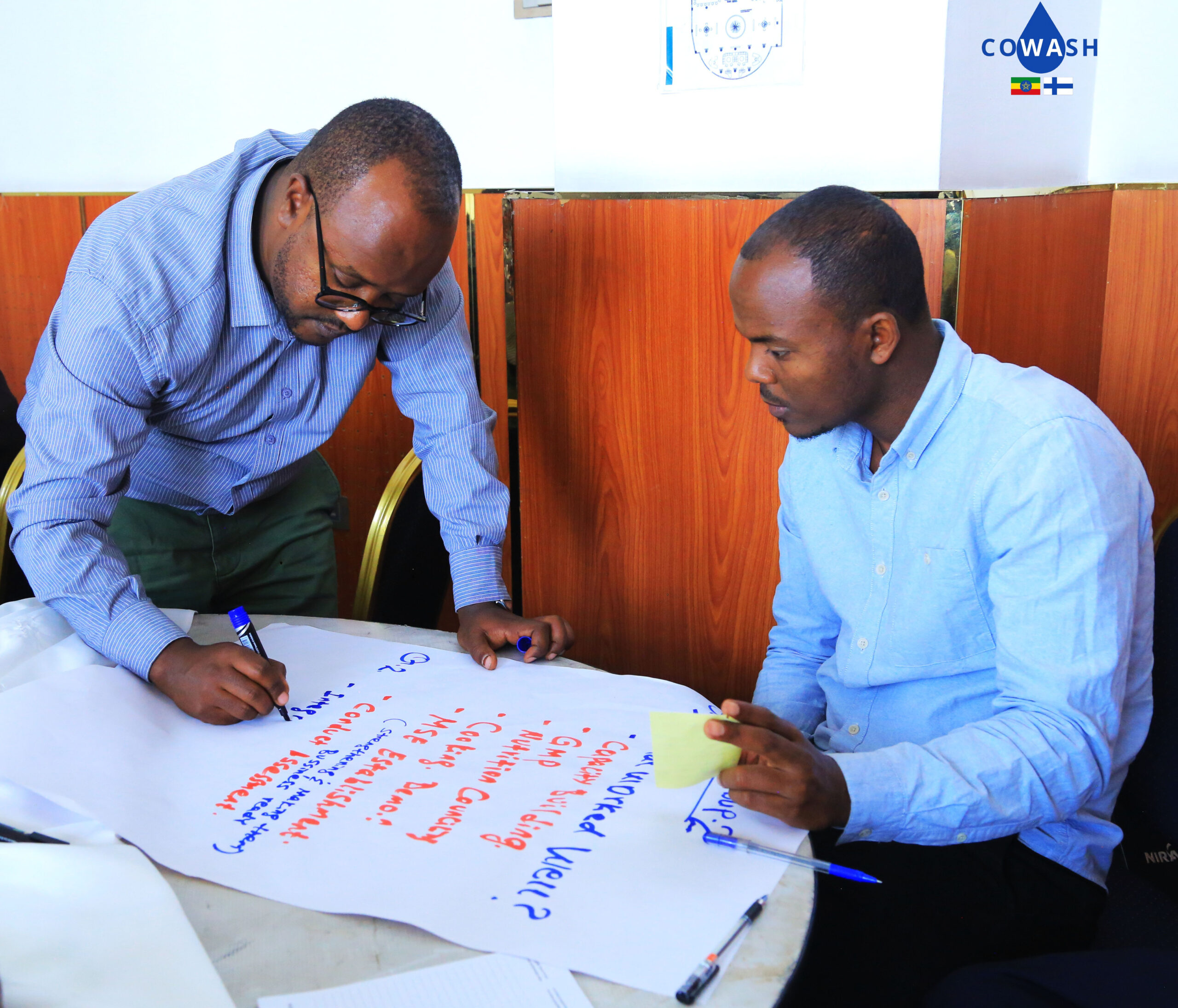 The primary objective of the training was to build manufacturing skills among members of the newly established Selam Sanitation Enterprise, which was formed in January 2026. It also served to strengthen the supervisory capacity of regional and Woreda-level COWASH personnel. Through the establishment of this local enterprise, the partnership aims to secure a consistent and affordable supply of sanitation products within Fofa Woreda.
This training marks the second major capacity-building milestone for the pilot project. In January 2026, the joint partnership launched its field-level implementation with a comprehensive Training-of-Trainers programme in the Central Ethiopia Region. The initial session included 50 participants, spanning government technical experts, agricultural extension officers, health extension workers, and local enterprise representatives. Following the training session, specific nutrition modules were cascaded directly to community health extension workers.
Ongoing Joint Field Activities
The partnership maintains several standardized health and agricultural interventions across the pilot area, which are carried out by joint teams on a regular basis. At regional health posts, a routine nutrition counseling is being provided focusing on dietary diversification, feeding frequencies and nutritional patterns for pregnant and lactating women, as well as children under two years of age. These sessions are paired with practical cooking demonstrations that show families how to prepare diversified foods and porridge using locally sourced ingredients.
 Furthermore, routine child growth monitoring is conducted across five local health posts for children under two years of age, utilizing specialized equipment supplied by the partnership earlier this year. To reinforce these health interventions at the household level, the initiative provides practical agricultural training and extension support, specifically focusing on poultry production and homestead gardening to improve local food security.
Future Outlook and Assessment
Project teams are currently conducting a comprehensive nutrition business assessment. Guided by the strategic framework of the Seqota Declaration, the study is designed to map private-sector engagement, identify systemic constraints and isolate entry points for future development interventions.
Concurrently, the partnership is finalizing the distribution of startup capital for the Selam Sanitation Enterprise, alongside the procurement and delivery of growth monitoring and cooking demonstration equipment for the remaining health posts throughout Fofa Woreda.