Following the successful completion of the COWASH IV capacity-building training programme for Community Conversation (CC) facilitators and supervisors, the volunteer graduates are now leading the initiative in their own villages. The COWASH IV CC training programme, which was conducted between September 2025 and January 2026, equipped 190 Woreda experts, Health Extension Workers and community members across five project regions with essential participatory skills. These volunteers are now establishing CC groups in their villages and leading regular group discussions.
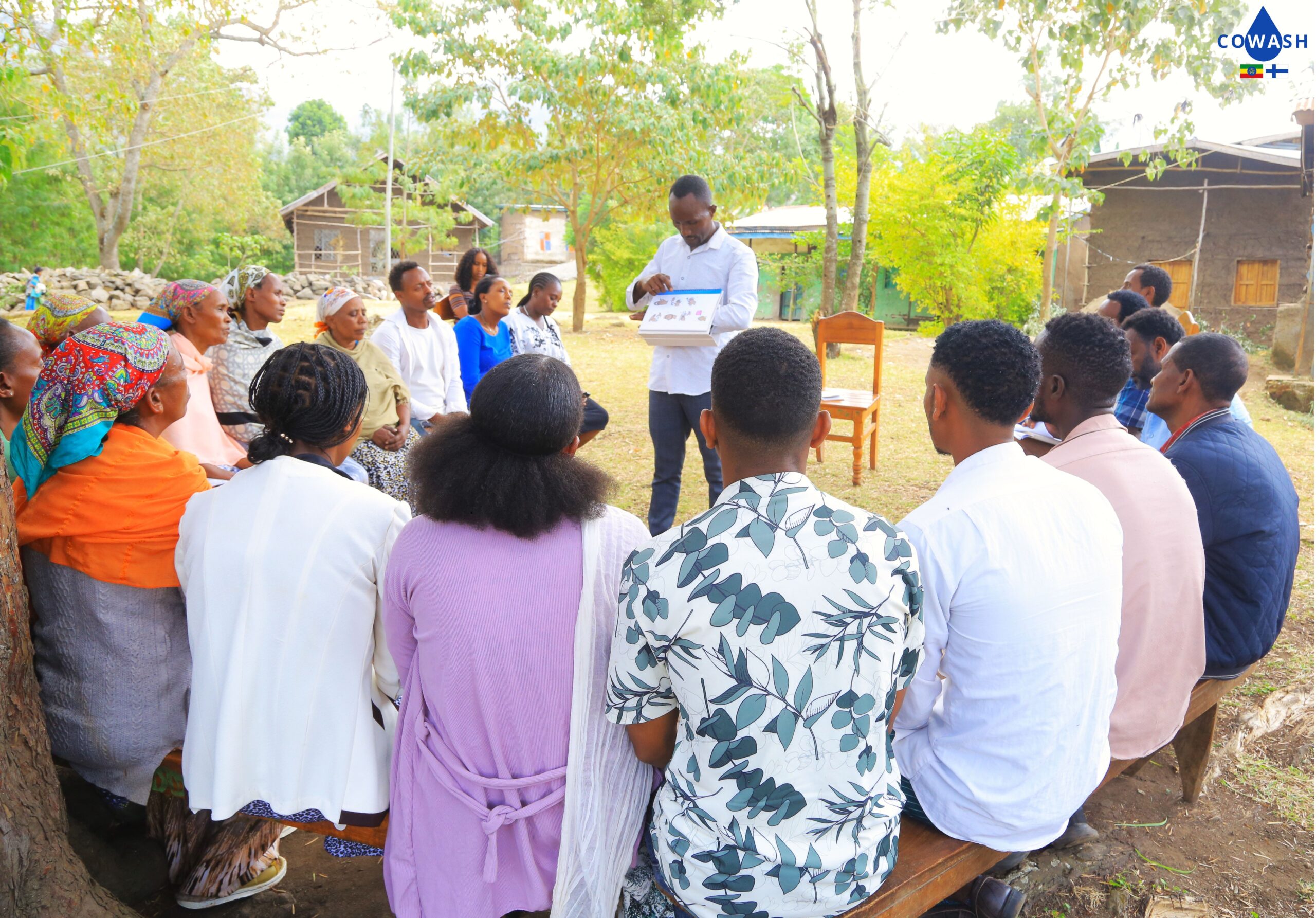 The CC groups established by these volunteers meet regularly throughout a structured eight-week program. To guide these critical discussions, the volunteers utilize the COWASH IV eight-session CC flipchart curriculum. It has been reported that several groups are now entering their graduation phase, having completed the full two-month curriculum.
These volunteers play a critical role in the initiative’s success by bridging the gap between technical expertise and community trust. In Wondo Genet, volunteers such as Kamba Hirpeto, Mulu Filipose, and Tayech Tesfaye are guiding groups of up to 31 members through the CC curriculum. Similarly, in Gorche Woreda’s Sado village, a partnership between supervisor Hirute Elsa and facilitator Bereket Fulase has established a dedicated group of 25 households committed to the new standards. Mulu, a Health Extension Worker in Wechale, emphasized that the participatory nature of the sessions is the critical factor driving these real-time behavioral shifts.
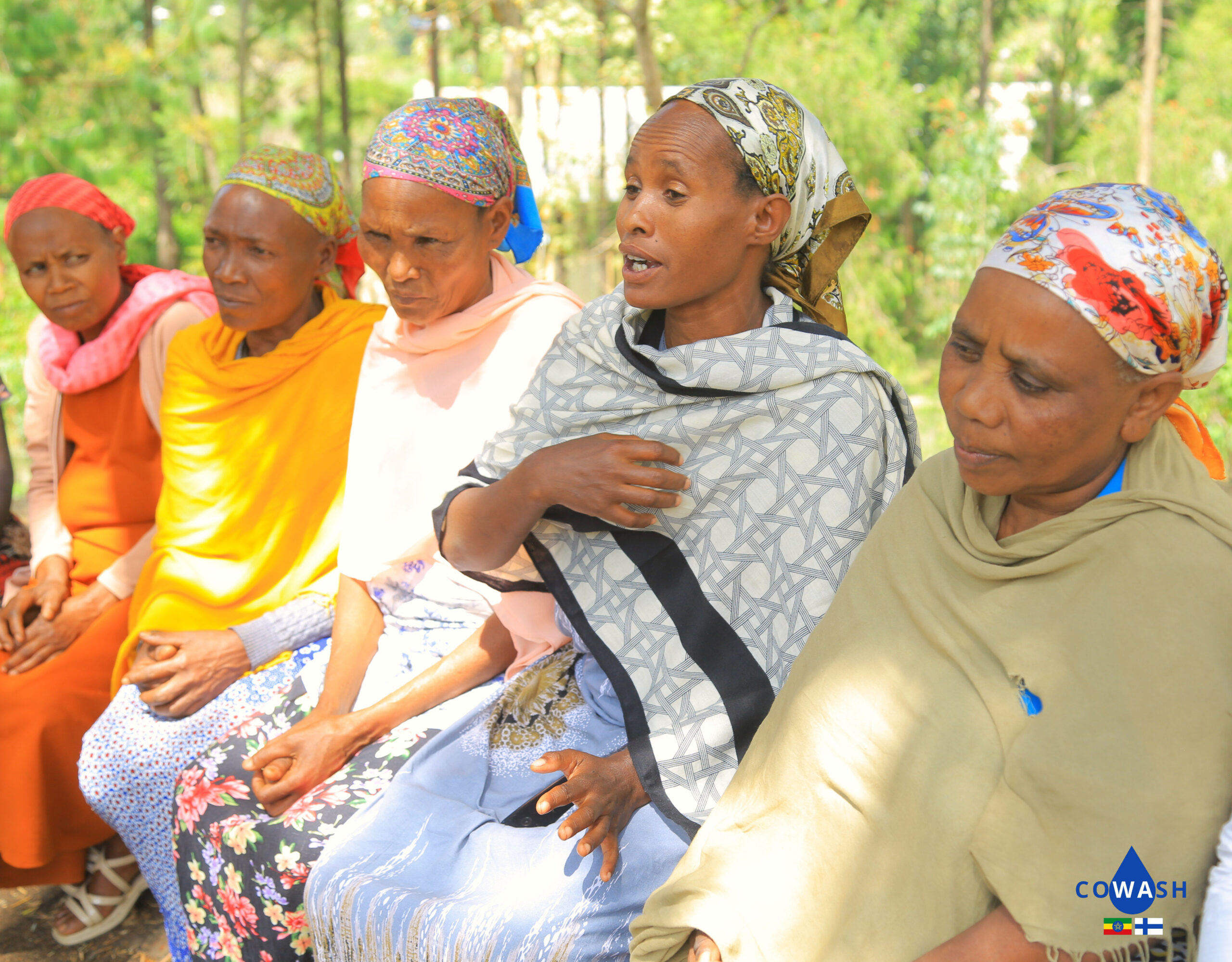 During a recent field mission from February 9 to 13, 2026, the COWASH IV team attended five active community conversation sessions to provide on-site coaching and witness the results firsthand. The team observed that this grassroots initiative, driven by dedicated volunteers and CC groups, is making a measurable impact on behavioral change across Wondo Genet and Goreche Woredas.
A majority of group members, particularly those in the graduation phase, have already constructed and are utilizing improved household latrines. Many participants are leveraging their WASH Saving and Loan Associations, established by COWASH IV, to finance these essential home improvements, demonstrating a direct link between financial empowerment and public health.
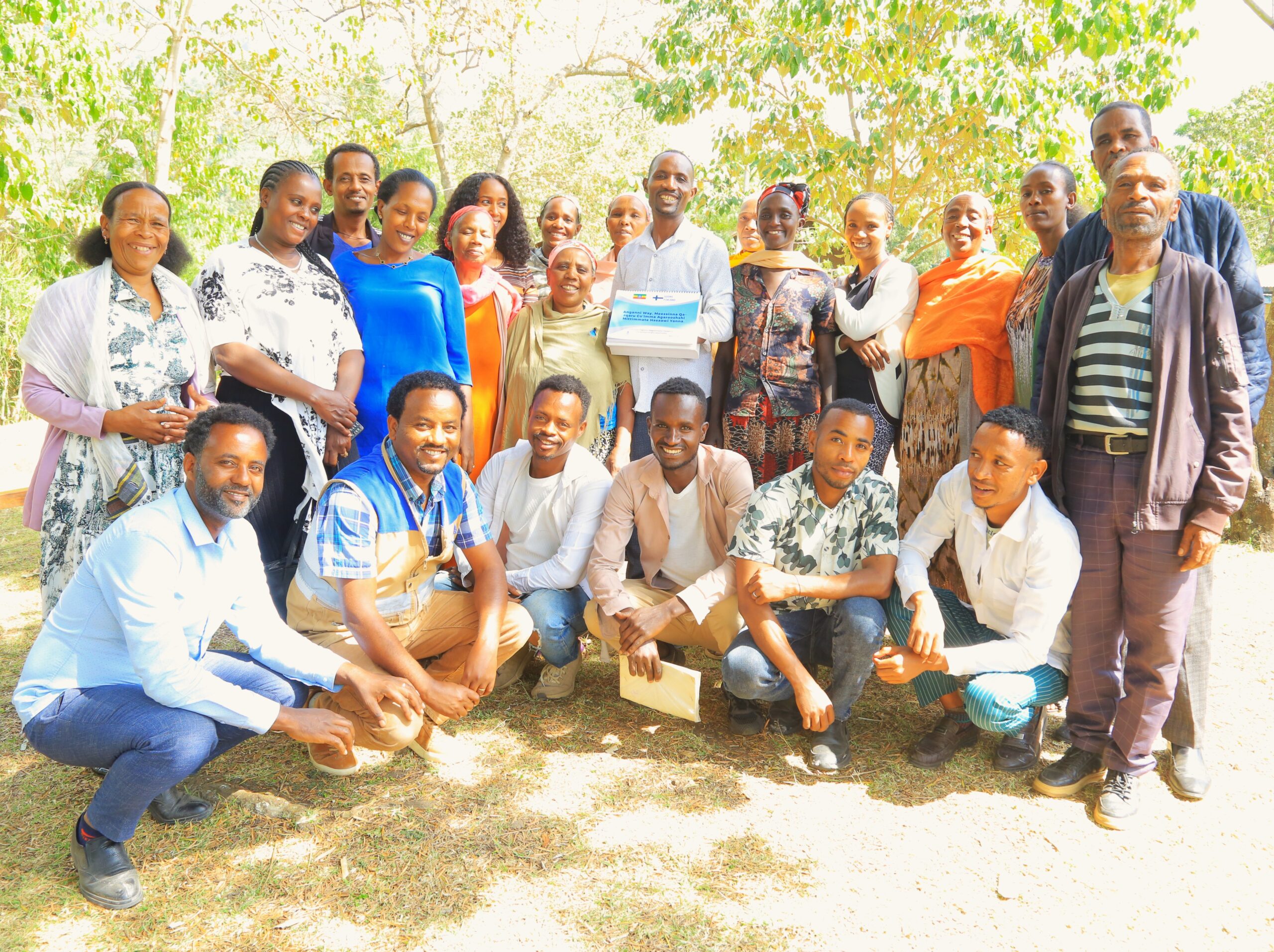 The results in Abaye Boreta village, located in Wondo Genet Woreda, serve as a primary success story for the initiative. Led by facilitator Kamba Hirpeto, who also serves as the village WASH committee chair, and supervisor Shegitu Taye, a health extension worker, the village’s CC group has achieved a remarkable milestone. Out of the group’s 30 member households, 28 have already completed improved household latrines, while the remaining two have begun construction.
The impact of these conversations extends far beyond physical infrastructure. Participants report significant gains in awareness regarding handwashing, safe water handling, and menstrual health and hygiene (MHH) as well as a stronger commitment to gender and disability inclusion within the community. Furthermore, the initiative is fostering a deep cultural shift. In villages like Wechale and Uraga of Wondo Genet Woreda, male members are breaking long-standing taboos by engaging in public discussions regarding menstrual health to better support the women and girls in their households. This transition from learning to action reflects the primary goal of the initiative: building inclusive, result-oriented community engagement that translates into immediate sanitation and hygiene improvements.