COWASH IV Empowers Local Communities with WASH Training

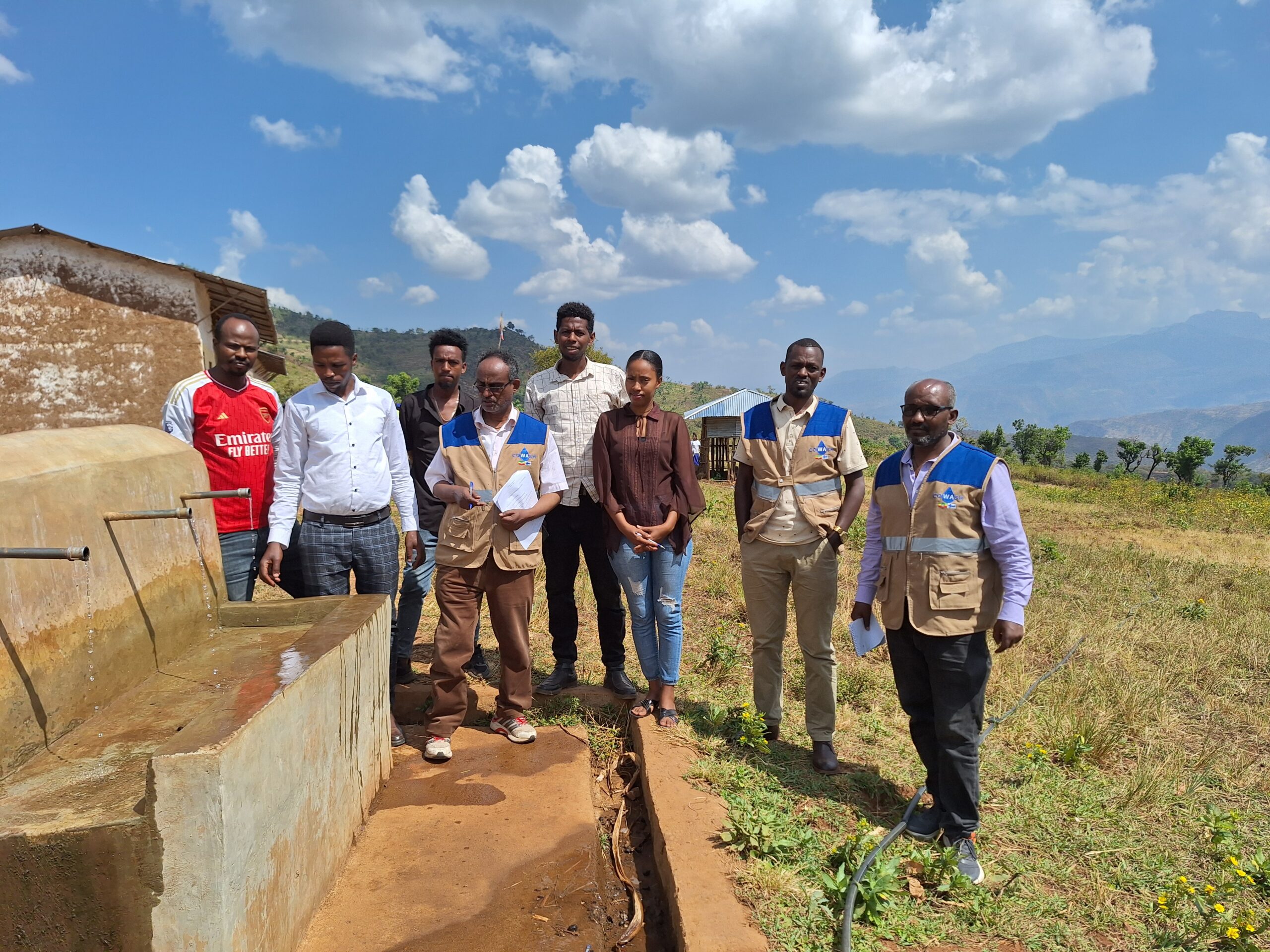
COWASH IV recently conducted successful training programs in South Ethiopia and South-west Ethiopia People’s Regions as part of its mission to empower communities to effectively manage their water resources. These programs focused on enhancing the capacity of local government officials, sector specialists and community members in implementing effective WASH programs.

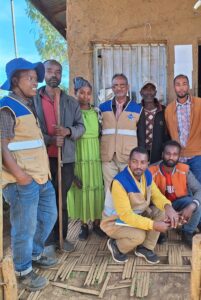
In Kechi and Mari Mansa Woredas of the South-west Ethiopia People’s Region, training was held on January 15th and 16th, 2025. Around 23 participants including representatives from Woreda Water Safety Plan teams, Community Managed Project (CMP) supervisors, and key personnel from Woreda health, education, women’s affairs, finance, and agriculture offices attended the training. Similarly, from December 24-26, 2024, COWASH IV provided training to Regional Support Units and Woreda specialists, along with members of the Woreda WASH team in Melo Gada and Gacho Baba, South Ethiopia. Approximately 15 participants took part in this training program.

The training programs covered crucial aspects of the CMP approach, including effective WASH committee file management and proper implementation and cycle management of the CMP approach. Furthermore, the training emphasized water safety planning, including risk assessment and management plan preparation for selected water schemes.

These training programs aimed to empower local communities to effectively manage and maintain their water resources, ensuring sustainable and safe access to clean water for all.
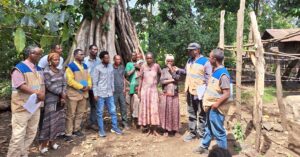
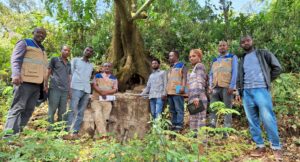
Masebira Kidegsa Community Water Point: A Model for Successful Water Tariff System

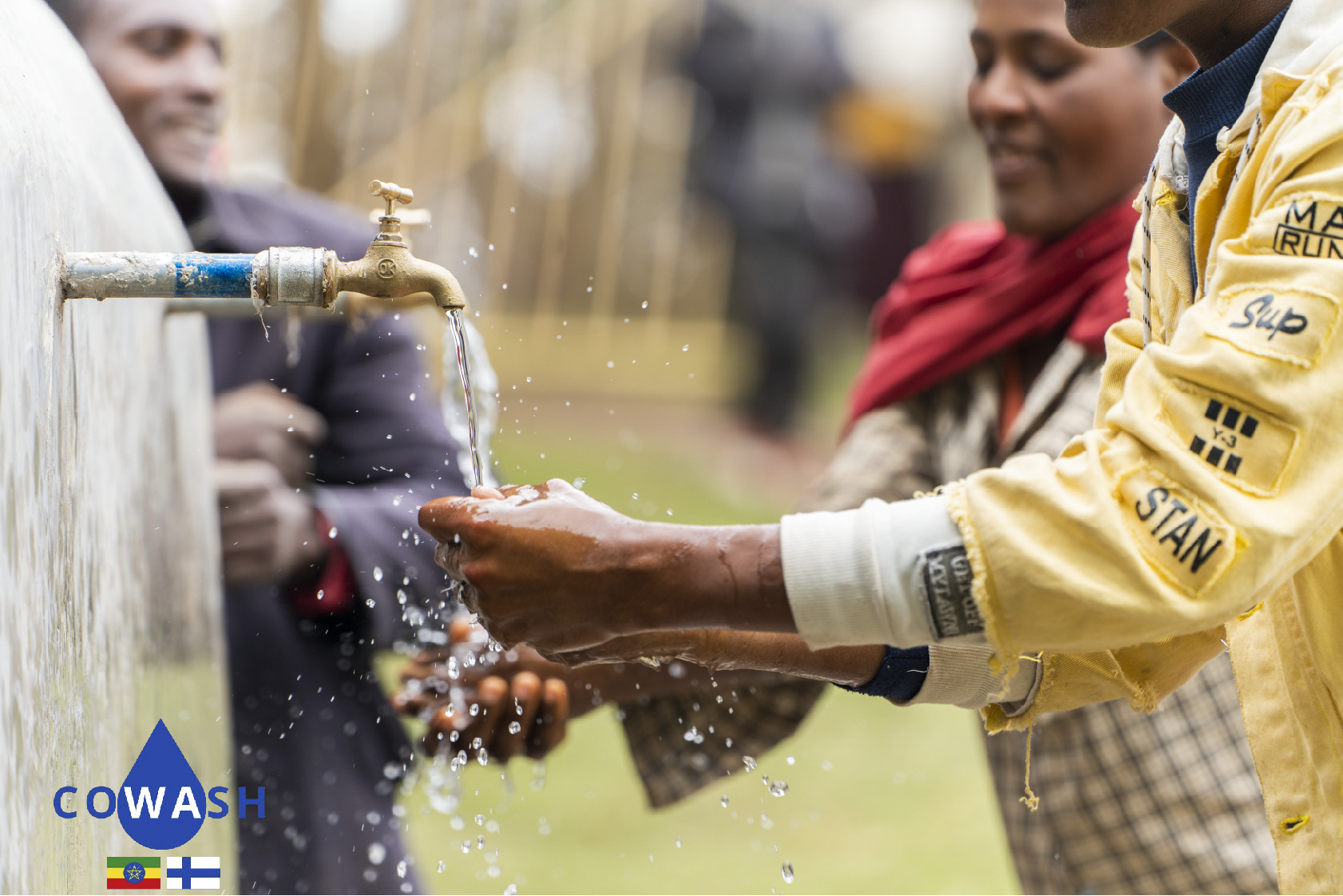
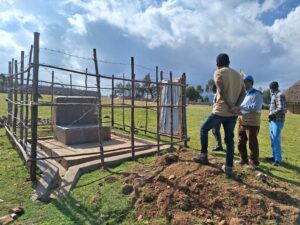
In Lemo Woreda, Central Ethiopia, the Masebira Kidegesa Kebele Water Point stands as an example of successful community-led water management, particularly in its effective implementation of a water tariff system. Constructed at the end of Ethiopian Fiscal Year 2015 through the collaboration of the community and the COWASH IV project, this water point not only provides vital access to clean water for 565 households but also shows how a well-structured water tariff system can ensure the long-term sustainability of community water points.

The Masebira Kidegsa WASH Committee (WASHCO) has been instrumental in the successful operation and management of the water point. Recognizing the importance of community contribution for the water point’s sustainability, the WASHCO established a fee of 1 Birr per 20-liter jerrycan of water. This seemingly small fee has proven to be an effective financial source, contributing significantly to the successful operation and long-term sustainability of the water point.

Tariff collection from beneficiaries at the water point is handled by two guards hired by the Masebira Kidegsa WASHCO. These guards work in shifts, ensuring the water point operates smoothly. Their responsibilities include opening the facility as scheduled, assisting beneficiaries and facilitating a smooth water fetching process. The community accesses water twice daily, in the mornings and afternoons.

The Masebira Kidegsa WASHCO, led by Chairperson Tigist Tamerat, plays a crucial role in ensuring transparency and accountability in tariff collection. The committee tracks water usage, calculating consumption in cubic meters. A fee of 40 Birr per cubic meter is charged, with an allowance for water loss during the fetching process. This system ensures that all beneficiaries contribute fairly to the upkeep of the water point.

To ensure equitable access for all community members, the WASHCO has implemented measures to address the needs of low-income households. Five vulnerable households, such as elderly individuals without children, are identified and exempted from water tariffs.

The collected revenue is used for essential maintenance, regular cleaning and minor repairs, ensuring the continued provision of clean water to the community. In the long run, the WASHCO aims to collect sufficient funds to construct another water point in collaboration with the community and COWASH IV.

The success of the tariff system at the Masebira Kidegsa Community Water Point offers valuable lessons for other communities. By emphasizing community ownership, transparency and a focus on long-term sustainability, the Masebira Kidegsa water tariff model demonstrates how effective tariff systems can ensure the continued provision of clean water services and contribute to the overall well-being of the community.